Every collision repair moves through the same broad stages: estimate, insurer approval if you're claiming, parts, structural and body work, paint, reassembly, quality checks, then delivery. From the driver's seat it feels simpler and slower than that, because most of it happens out of sight. You make a few decisions early, you get a call when something changes, and one day the car is ready.
This post lays out the whole sequence the way you'll experience it, whether the damage came from a highway merge gone wrong or you came back to the car and found you'd been hit while parked downtown. We've written separately about getting an estimate and reading one, so we won't re-cover that ground. This is about everything that happens after the estimate exists.
What happens before any repair work starts?
More of the timeline than most owners expect, and none of it involves a wrench. Once we've seen the car, in person or through photos submitted with the online tool described on our services page, we write a detailed estimate that sets out the cost and the time frame. If you're paying out of pocket, you approve it and we book the work. If it's an insurance claim, the estimate goes to your insurer and the repair waits on their approval. That wait is usually the first quiet stretch, and it's the part we control least.
Approval in hand, parts get ordered. We repair with genuine manufacturer parts and materials that carry factory warranties, a choice that matters more on a luxury car than almost any other repair decision; our post on why authentic parts matter for asset value covers the money side of that. Availability drives the schedule here. A bumper cover for a high-volume model can arrive within days, while a sensor-packed panel for a limited trim can sit on back order for weeks. When a finish date moves, this stage is usually the reason.
What's happening to the car once repairs begin?
The work runs as a sequence, and each stage has to finish clean before the next one starts. Teardown comes first. Panels come off, and a technician confirms that what's underneath matches what the estimate assumed. When it doesn't, we document the additional damage and revise the estimate, and if an insurer is involved they review the change before we continue. You'll hear from us at that point, because it can move both the cost and the date.
Structural work follows for anything beyond cosmetic damage. Our facility runs a Car-O-Liner measuring system that checks the body against the manufacturer's dimensions, and our technicians work from the official repair procedures for your specific vehicle rather than from habit. Then body work, then paint. Colour is read with an AkzoNobel Automatchic matching tool and sprayed in one of two downdraft booths, and if you've ever wondered how a metallic finish ends up identical panel to panel, our piece on matching paint to sample colours walks through it. Reassembly is the long tail at the end: trim, mouldings, glass, badges, every fastener back where the blueprint says it belongs.
Why haven't you heard from us in a few days?
Because nothing has changed, and silence during a repair is normal. Owners tend to picture the car being worked on continuously from drop-off to pickup. In practice a repair has pauses built into it: parts in transit, paint curing, the car waiting its turn between the body bay and the booth. None of those pauses need a decision from you, so they don't generate a phone call.
We reach out when something changes: when the insurer approves, when teardown revises the estimate, when a delayed part lands, and when the finish date firms up. If a gap between updates is bothering you, call the shop. We're at the counter weekdays from 7:30 in the morning until 5, and a two-minute status check is a perfectly good use of anyone's time.
What does the last stretch look like?
Proving the work. Modern vehicles report faults electronically, so the car gets scanned and its systems checked against how they should read; our post on how digital scanning guides repairs explains what those scans catch. If glass was replaced, the sensors embedded in it are recalibrated so driver-assistance features like automatic emergency braking behave the way the manufacturer intended. Panel gaps get checked, the finish gets inspected under proper light, and then someone calls you with a pickup time.
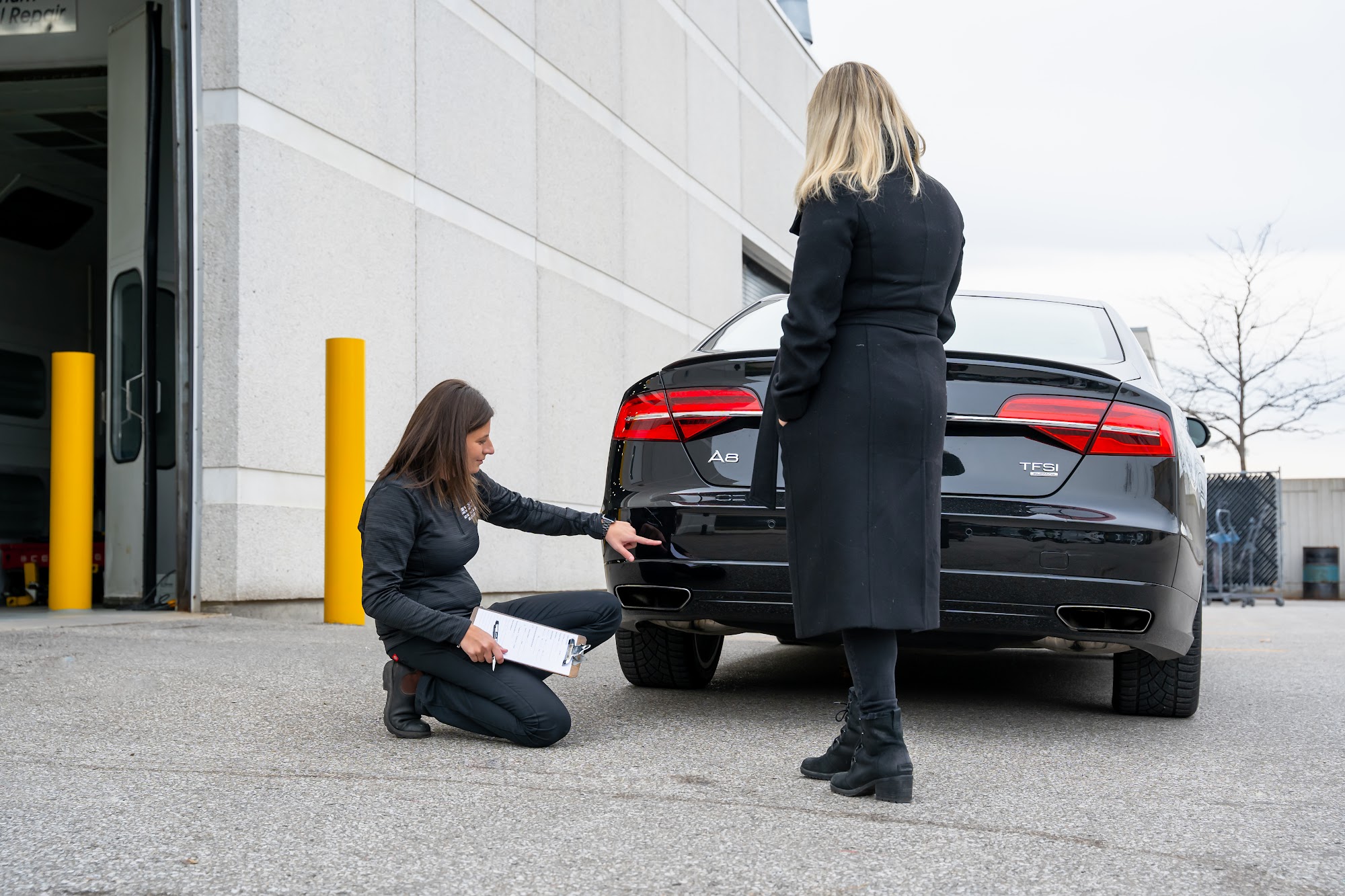
Pickup day deserves ten unhurried minutes. Walk around the car in daylight before you leave. Sight down the repaired panels at a low angle, check the gaps, open and close everything that was touched. Ask what was replaced and keep the paperwork, because genuine parts carry factory warranties and a documented repair supports the car's value if you ever sell it. Questions are easiest to settle while the car and the estimator are both in front of you.
Questions we hear a lot
Can the finish date move after the repair has started?
Yes, and sometimes it does. The two usual causes are a part on back order and damage found during teardown that the first inspection couldn't see. Both change the plan for a legitimate reason, and when it happens we'll tell you what changed and give you a revised date.
Do I need to do anything while the car is in the shop?
Stay reachable, mostly. The one moment the process truly needs you is an approval. If a revised estimate needs a sign-off and nobody can reach you or your insurer, the car waits. Beyond that, your work ended at drop-off.
Does the process change for a Tesla, Porsche or another certified brand?
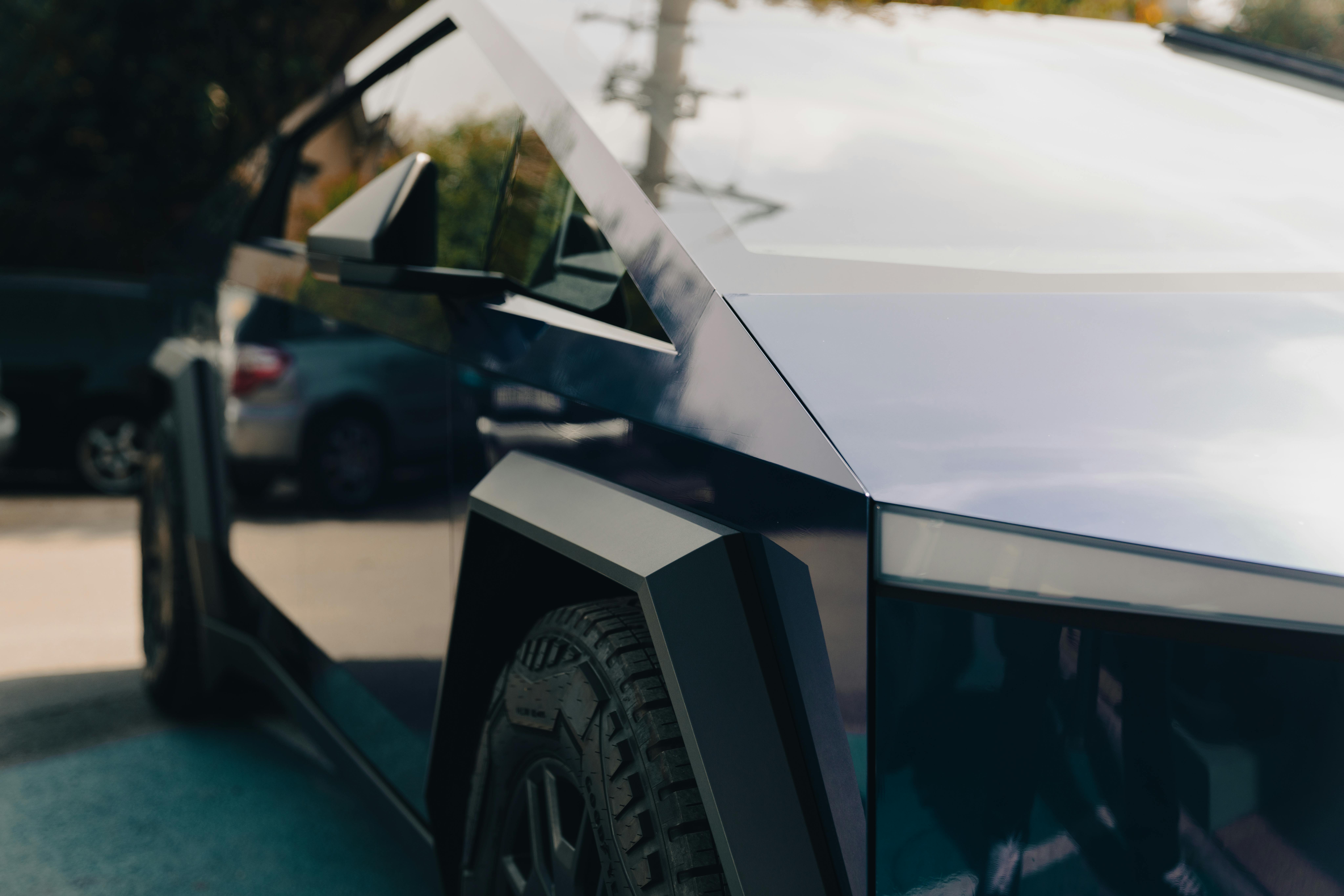
The stages are the same; the standards behind them tighten. We hold manufacturer certifications including Tesla, BMW, MINI, Porsche, Lexus and Toyota, which means brand-specific training, tooling and repair procedures apply at every stage above. From your side, the sequence of calls and decisions looks identical.
If your car is carrying damage right now, the first step is the shortest part of the whole sequence. Book your estimate online, and the next thing you'll need to decide will arrive with a phone call attached.
Insurance details vary by policy and insurer, and nothing here is insurance advice. Confirm how approvals and coverage work on your specific claim with your own insurer or broker.